walleamusa's pick · Updated August 2026
Apple AirTag (2nd Generation)
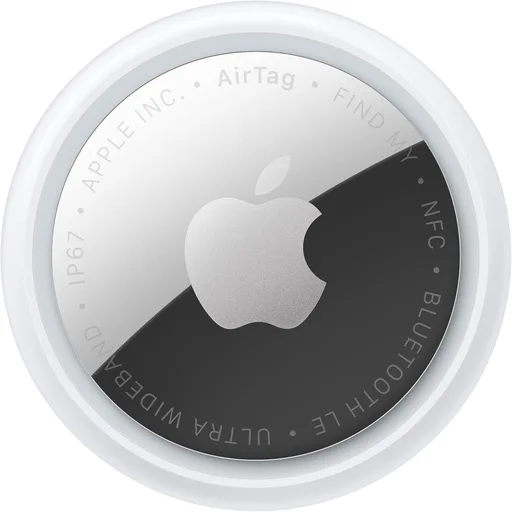

Apple AirTag makes the most sense for someone who already uses an iPhone or iPad and wants a simple way to keep track of small, easy-to-misplace items. Keys, a wallet, a backpack, or a luggage tag are the usual fit here. The value is not that it replaces careful habits. It is that it adds a quick way to find something when the usual place is not where it should be.
The appeal is pretty easy to understand. Setup is meant to be simple, and the product is built around the Apple ecosystem, so the main attraction is convenience rather than a long list of controls. For a person who wants a small tracker that can live on a keychain or slip into a pocket, that is enough to make it worth considering. The sound feature also matters in everyday use, since it gives you a second way to locate something nearby when you are not sure which room it ended up in. The stated Precision Finding range is another reason people look at it, especially if they want a more guided search for items that are not immediately visible.
The main thing to check before buying is compatibility. This is aimed at people who use Apple devices, so it is not a general-purpose tracker for every phone setup. It is also worth thinking about where the tracker will actually live. A wallet, a bag, and a set of keys each create different needs for size, attachment, and how much bulk is acceptable. If the item to track spends a lot of time hidden deep inside a bag or left in a place where sound would be hard to hear, the buyer should make sure the tracker still fits that use case.
There is also a practical tradeoff to keep in mind around expectations. A tracker like this can help narrow down where something is, but it is still only one part of the search. It works best when the item is within the supported finding range or when the nearby sound feature can do its job. For things that get left far away, or in places with poor access, it helps to compare this style of tracker with whatever level of coverage the buyer actually needs. The product title points to convenience and range, but the buyer should confirm how that range matches their real routine.
On the evidence side, the listing supports a few clear points and it is sensible to stick to those. It is a compact locator meant for small personal items. It offers sound for nearby finding. It is designed for one-tap setup with iPhone or iPad. It also advertises up to 1.5X Precision Finding Range. Those are the facts that can anchor a recommendation without overstating what the device will do in every home, bag, or daily routine.
This is a good fit for someone who wants a low-friction tracker inside the Apple ecosystem and values simple setup over extra features. It may be less attractive to someone who needs cross-platform flexibility or who wants a tracker for more specialized use. For the right buyer, though, it looks like a practical little add-on that solves a very specific problem without much setup or effort.
Amazon product links on this guide are not currently affiliate links. Neither walleamusa nor Buyer Field Guide earns an affiliate commission from them.
See current price